Flat roof sections on any home
Porches, additions, low-slope wings, and full flat roofs may need a membrane system instead of a pitched-roof material.

Roofing System
Membrane roofing is used for flat and low-slope roof sections where drainage, seams, edges, penetrations, and wall tie-ins shape the scope.
Membrane Roofing
Flat and low-slope roof sections move water differently than pitched roofs. Membrane work starts with that reality.
Flat and low-slope roof sections need a different approach than pitched roof surfaces. The recommendation depends on water movement, seams, edges, penetrations, and wall tie-ins.
Ambia reviews those conditions before recommending a membrane path, so the project is scoped around the section itself.
Where It Belongs
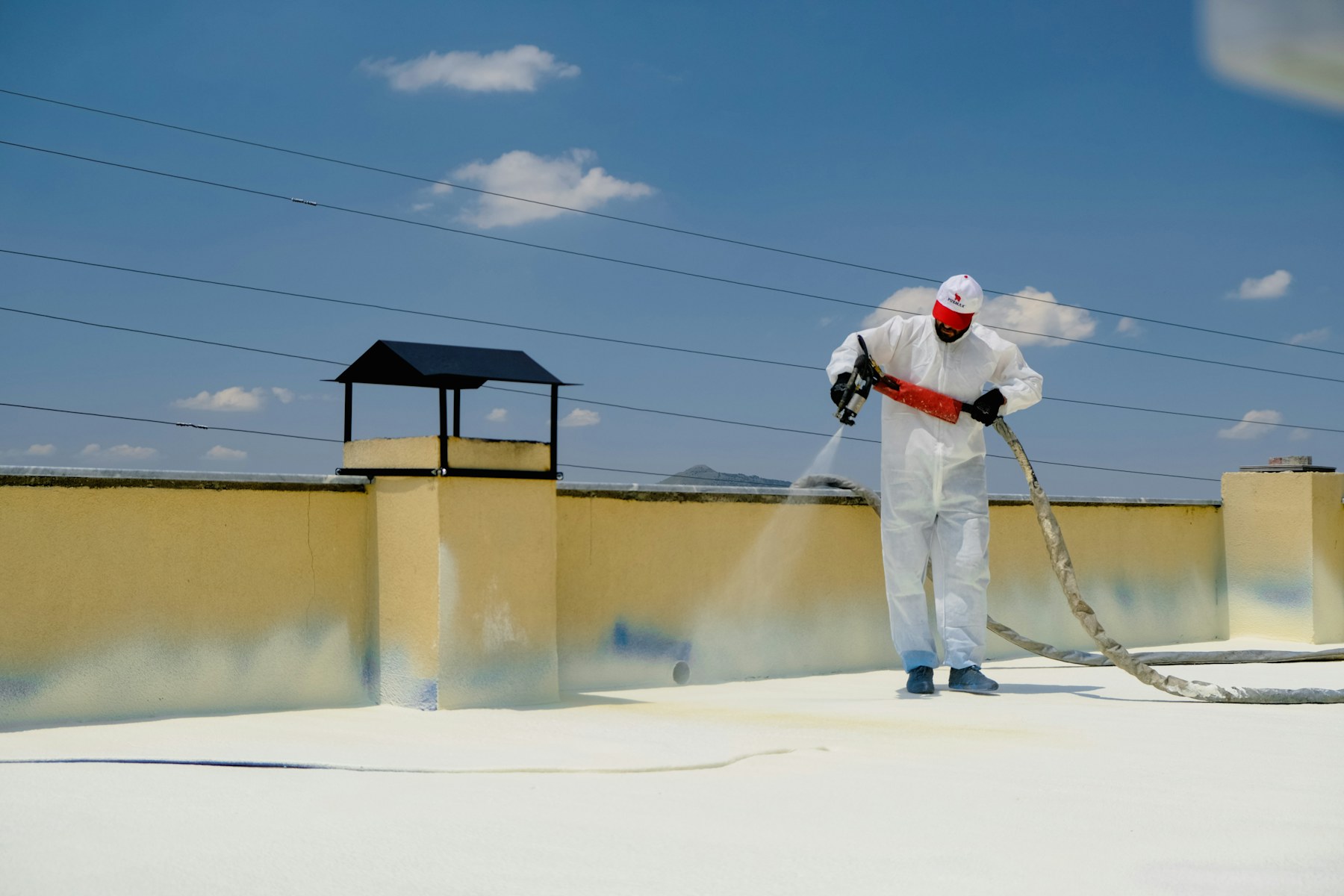
Membrane is built for flat and low-slope environments where water movement, seams, and edges shape the project.
Porches, additions, low-slope wings, and full flat roofs may need a membrane system instead of a pitched-roof material.
Repeated leaks often point to a larger issue with water movement, seams, or transitions.
Low-slope additions and porch roofs need drainage and wall tie-ins planned before material is selected.
Drainage
Drains, scuppers, slope, and edge conditions determine how the roof section should be approached.
Seams
TPO and EPDM handle seams differently, so the material decision affects how the roof is installed and maintained.
Penetrations
Drains, pipe boots, vents, curbs, walls, and parapets need specific terminations and flashing details.
What Gets Assessed
The right membrane scope starts with slope, water movement, existing material condition, and transitions.
Even minor positive slope toward a drain can change the recommendation.
Seam condition gives a clear picture of where the system is in its life and helps determine whether repair or full replacement is the right call.
Deck condition is reviewed before any new material is specified.
Where the roof surface meets a vertical wall or parapet requires careful attention — termination height, counter-flashing, and proper membrane turn-up are each critical to a complete system.
Installation Standard
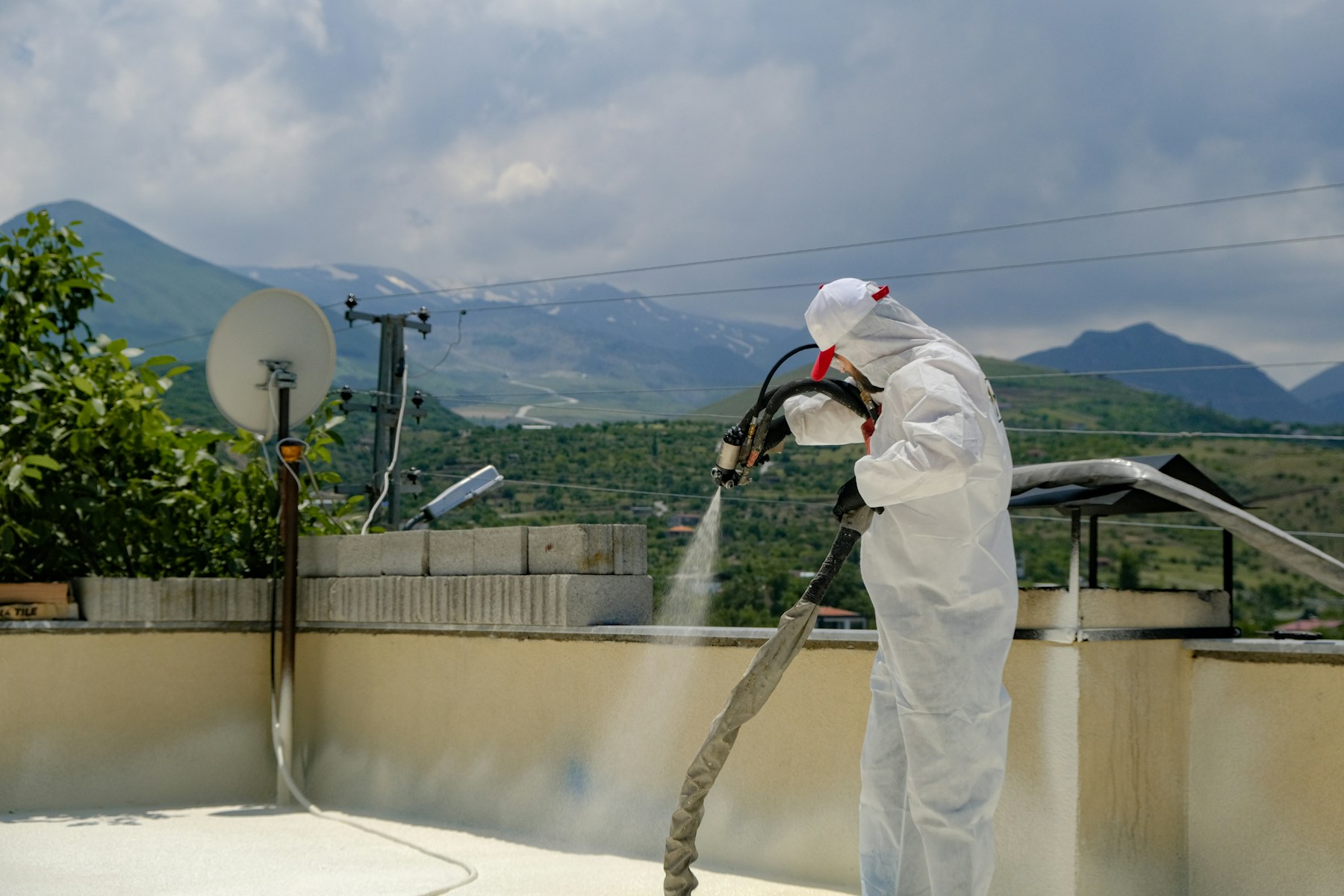
Seams, wall tie-ins, edge metal, and penetration flashings receive the most attention because they carry the highest risk.
The drainage path — drains, scuppers, slope, and edge conditions — is assessed and addressed before any membrane system is recommended or ordered.
TPO or EPDM is selected based on slope, climate, seam configuration, and what the section actually needs — chosen for performance and long-term fit.
Every curb, drain, vent, and wall transition gets specific detailing with the appropriate membrane terminations and metal flashings — treated as a core part of the scope, not a finish step.
Start Here
Ambia reviews the roof section and explains which membrane path fits the conditions.
Get a Membrane Roofing EstimateRelated Services
A complete roofing system replacement — from material selection and tear-off to installation, cleanup, and final walkthrough.
Learn MoreTargeted repairs for leaks, missing or damaged shingles, flashing failures, and weather-related roof damage.
Learn MoreRoof review, damage documentation, and restoration planning after hail, wind, fallen debris, or severe weather.
Learn MoreRelated Reading
Roofing Guide / May 7, 2026
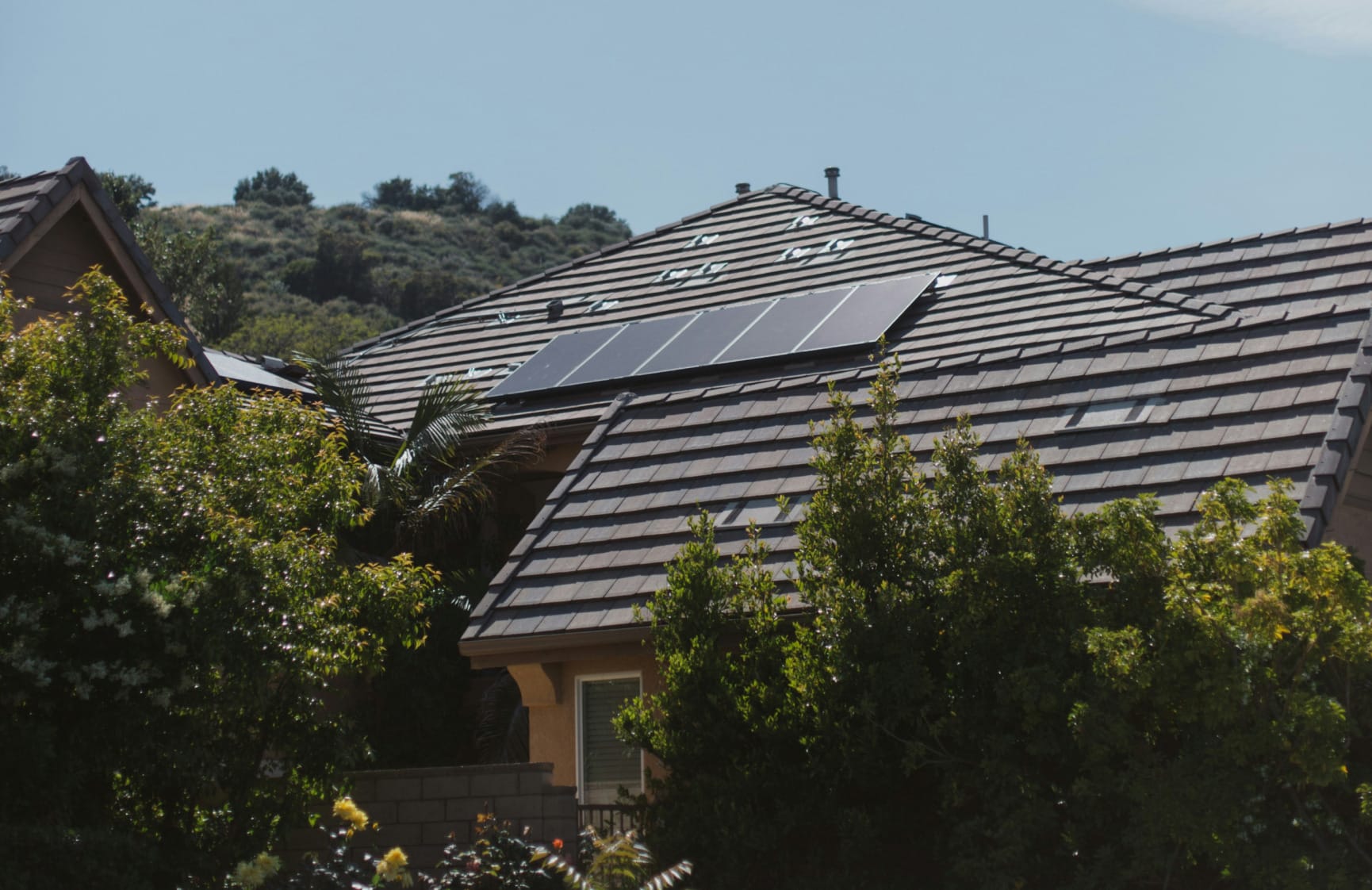
A homeowner-friendly guide to hail damage, ground-level warning signs, roof documentation, insurance adjusters, re-inspections, and depreciation.
Read More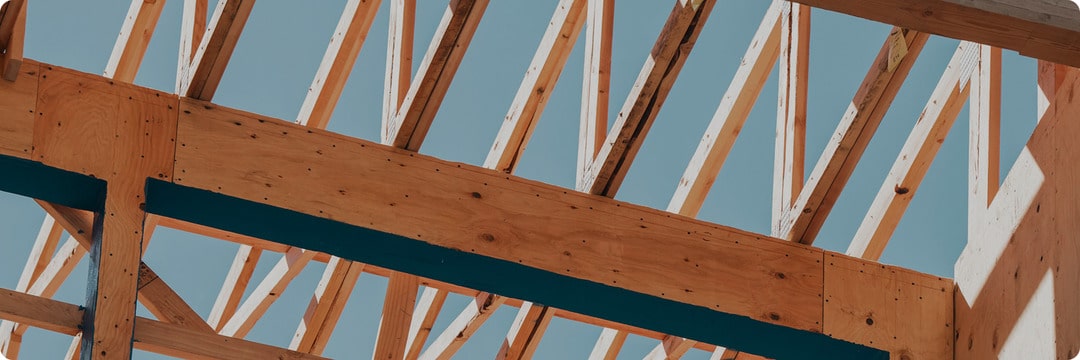
Roofing Guide / May 7, 2026
A guide to attic ventilation, hot air, winter moisture, ice-dam risk, vent types, and why airflow matters to the roof system.
Read MoreFree quote
Share the basics and Ambia Roofing will follow up with the next right step.