Roofing Guide
Hail Damage and Roofing Insurance: What to Know
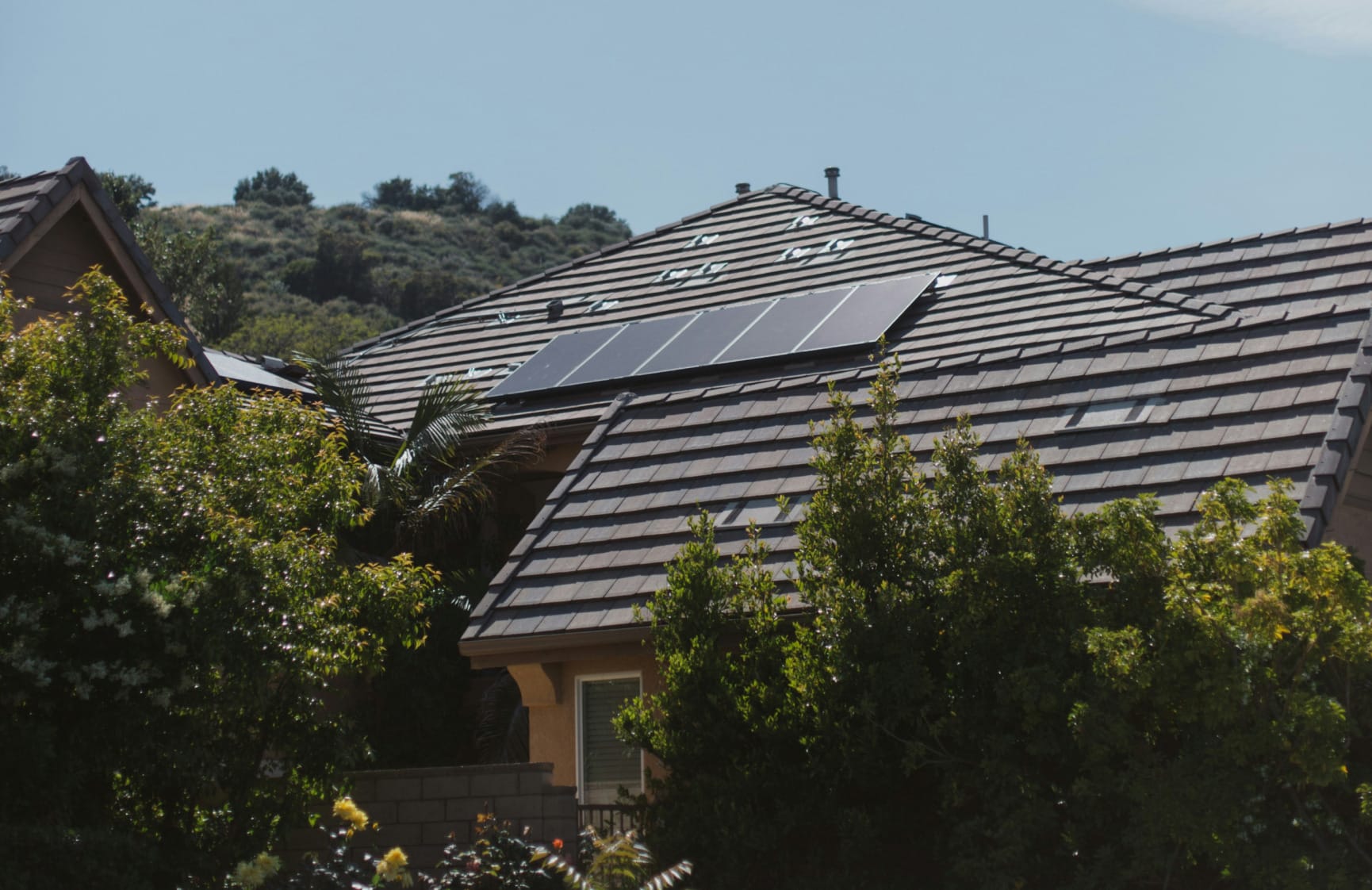
If you’ve had hail in your area, to determine if the shingles have been damaged a close review of the shingles has to be made from the roof. Usually you cannot tell from the ground.
Ambia does not provide insurance advice. Your carrier determines coverage.
If you think you have hail damage
Call your insurance company and ask for an adjuster to come inspect your roof for hail damage. Call a reputable roofing company and ask for the same review.
If there are any discrepancies between the adjuster’s findings and the roofer’s findings you may call for a “RE-INSPECTION” where your adjuster meets with the roofer to go over the roof together. Re-inspections are very common.
The insurance company must determine two things when assessing the amount of your loss:
- Was there sufficient damage to the roof?
- What is the size of the roof and how many shingles will be needed to replace the roof?
What does hail do to a roof?
Shingles are designed so that the granules block the UV of the sun and protect the asphalt underlayment. As the shingles age the granules fall off over time. As the asphalt is exposed to UV, it dries out and the shingle gets a “potato chip” appearance as the corners start to curl up.
Hail can accelerate granule loss, accelerate shingle aging, and lead to other associated problems.
Do I need to get my roof replaced right away?
The nature of hail damage is that it may pose no immediate threat to the structural integrity of the roof. However, many insurance companies have a “statute of limitations” of how long a hail claim is viable.
If you have experienced a loss such as hail damage it is prudent to take care of the problem in a timely manner before it leads to other associated problems.
What does a hail hit look like?
A hail hit on a shingle looks like a “bruise” or a dark spot where the granules on the shingle have been knocked off and the asphalt underlayment and sometimes the fiberglass mat is exposed.
New hail hits will have a shiny appearance because the asphalt has been freshly exposed and has not had time to weather to a dull color.
Depreciation
Different insurance companies call the amount that they hold back different things. Some call it depreciation; other companies figure it in as a dump and removal fee. What it represents is the amount of money the company will hold back until they receive the documentation required by the claim process.