Most sloped residential roofs
Architectural shingles fit a wide range of roof pitches, home styles, and regional weather patterns.

Roofing System
Asphalt roofing is a shingle-based roof system for sloped residential homes. Ambia evaluates roof details, ventilation, flashing, and material fit before outlining a scope.
Asphalt Roofing
The shingle choice matters, but Ambia starts with the roof details around it: deck condition, ventilation, underlayment, and flashing.
Asphalt shingles are common because they fit many residential roofs, budgets, and architectural styles. Ambia treats the shingle as one part of the system, not the whole story.
The review looks at deck condition, slope, ventilation, underlayment, flashing, and material fit before the project is scoped.
Who It's For
Asphalt works best when the roof pitch, climate, budget, and home style fit the system.
Architectural shingles fit a wide range of roof pitches, home styles, and regional weather patterns.
A full tear-off creates a clean starting point for deck review, underlayment, flashing, and ventilation planning.
Shingle systems come in several profiles and price points, so the recommendation can match the roof and the homeowner's priorities.
The system
Deck condition shapes what happens next. Soft spots, old layers, and damaged areas are identified before the new roof system is planned.
Ventilation
Balanced intake and exhaust help reduce heat and moisture stress under the roof surface.
Installation day
Walls, valleys, chimneys, pipe boots, and eaves need the right detail so the shingle field is not carrying the whole job alone.
Before You Commit
Color and profile matter, but they come after the structure is understood.
A solid, dry deck is the foundation everything else depends on. It gets reviewed before anything is ordered or scheduled.
Proper attic ventilation extends shingle life and helps the roofing system perform the way it should. Intake and exhaust balance gets reviewed every time.
Chimneys, valleys, walls, pipe boots, and eaves all require properly installed flashing. New material at every transition is standard — not optional.
The final material recommendation should reflect pitch, climate, style, budget, and warranty fit.
Installation Standard
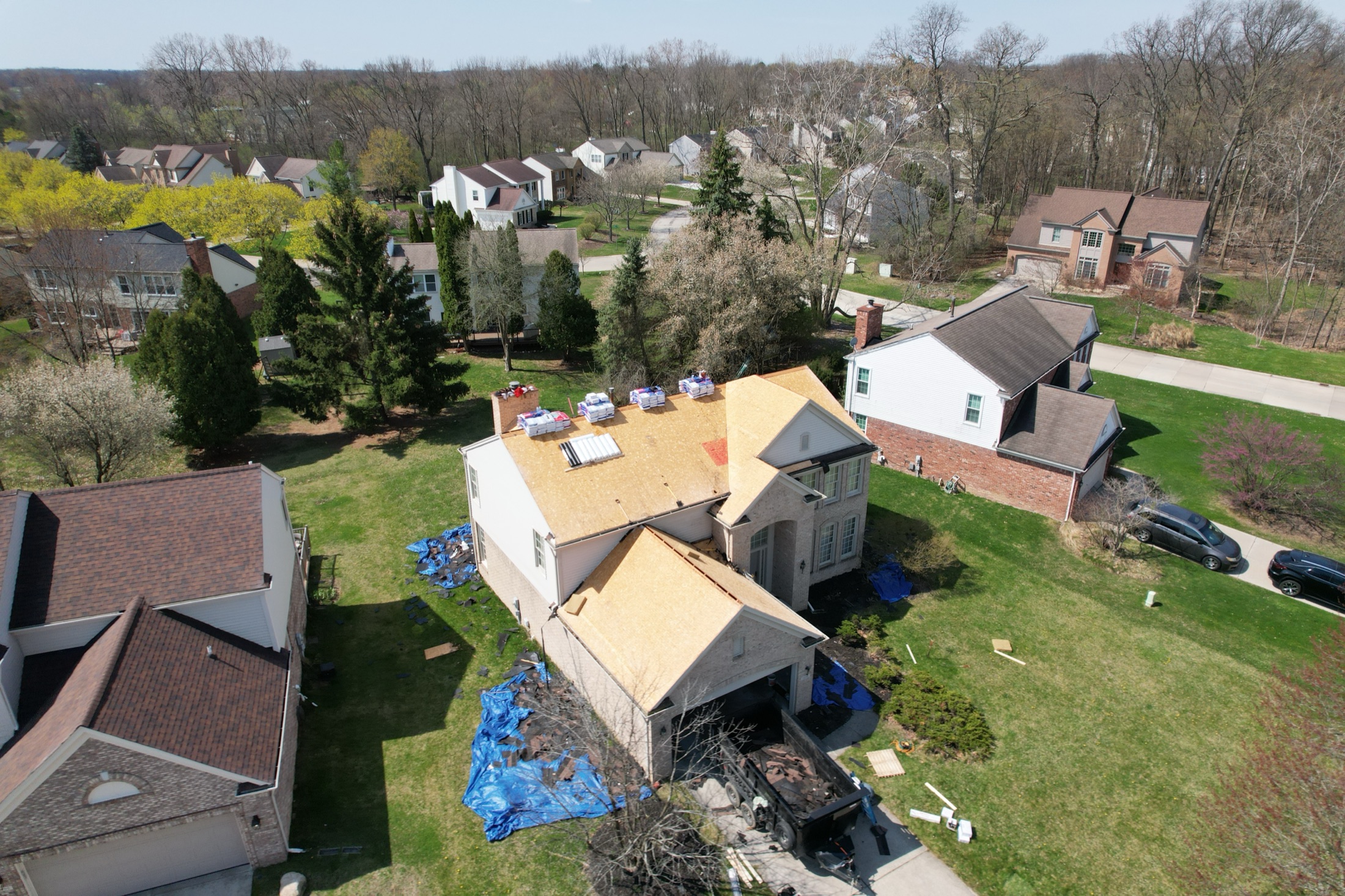
The old surface comes off so the deck can be seen and properly addressed. The new system then goes on in order: underlayment, flashing, shingles, ridge, and cleanup.
Any soft spots or structural concerns are identified and addressed as part of the scope — so the new system starts on a solid foundation.
The right base layers protect the home through the full life of the roof. Proper sequencing is part of building a system that performs as intended.
Every wall, chimney, valley, pipe boot, and eave gets new flashing installed to current detail standards — part of what makes the system watertight for the long term.
Get Started
Tell us about the roof and Ambia will review the details that shape the project.
Get an Asphalt Roofing EstimateRelated Services
A complete roofing system replacement — from material selection and tear-off to installation, cleanup, and final walkthrough.
Learn MoreTargeted repairs for leaks, missing or damaged shingles, flashing failures, and weather-related roof damage.
Learn MoreRoof review, damage documentation, and restoration planning after hail, wind, fallen debris, or severe weather.
Learn MoreRelated Reading
Roofing Guide / May 8, 2026
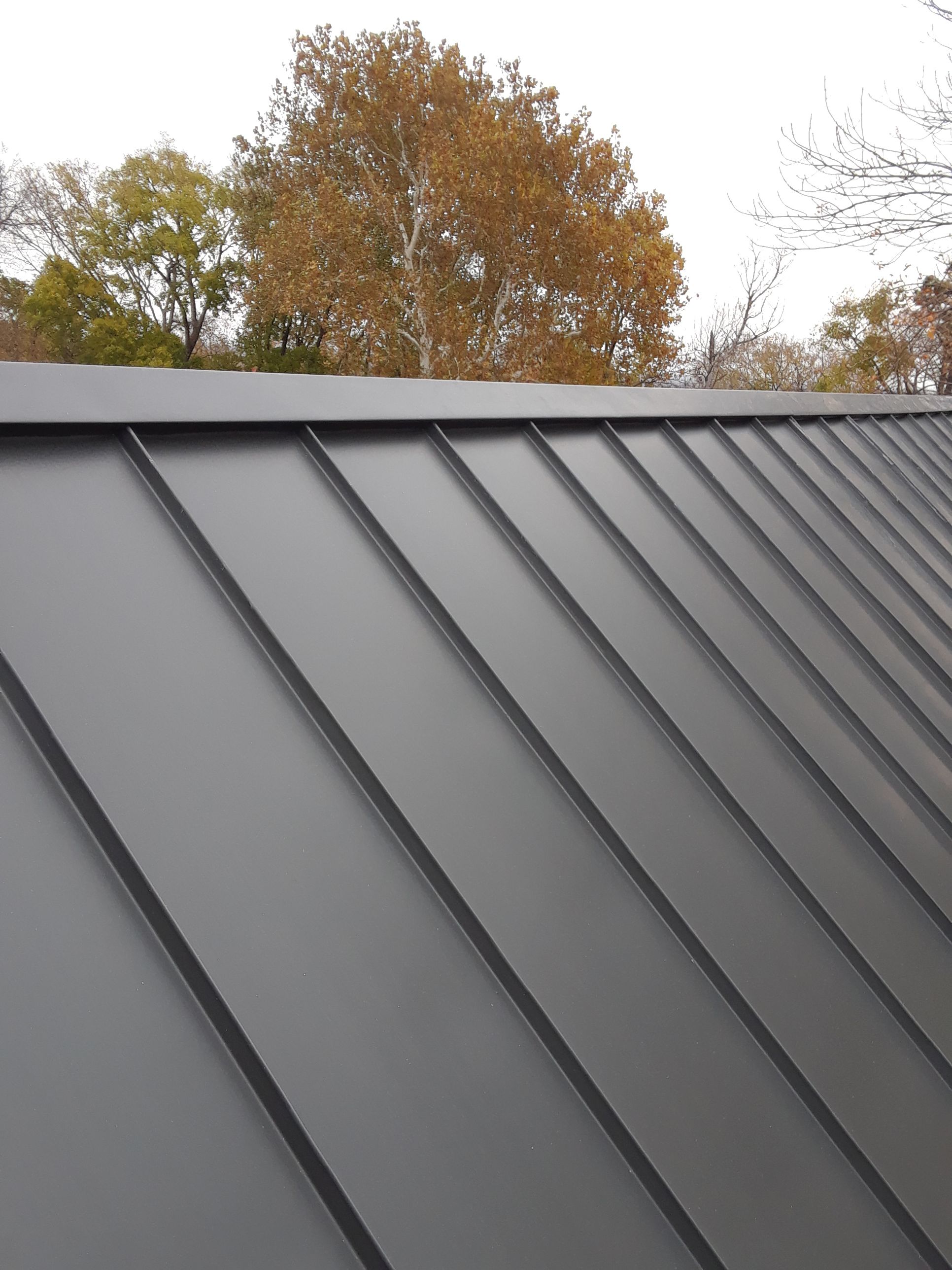
A guide to metal roofing value, panel systems, roof geometry, thermal movement, and the details that shape whether metal is the right fit.
Read More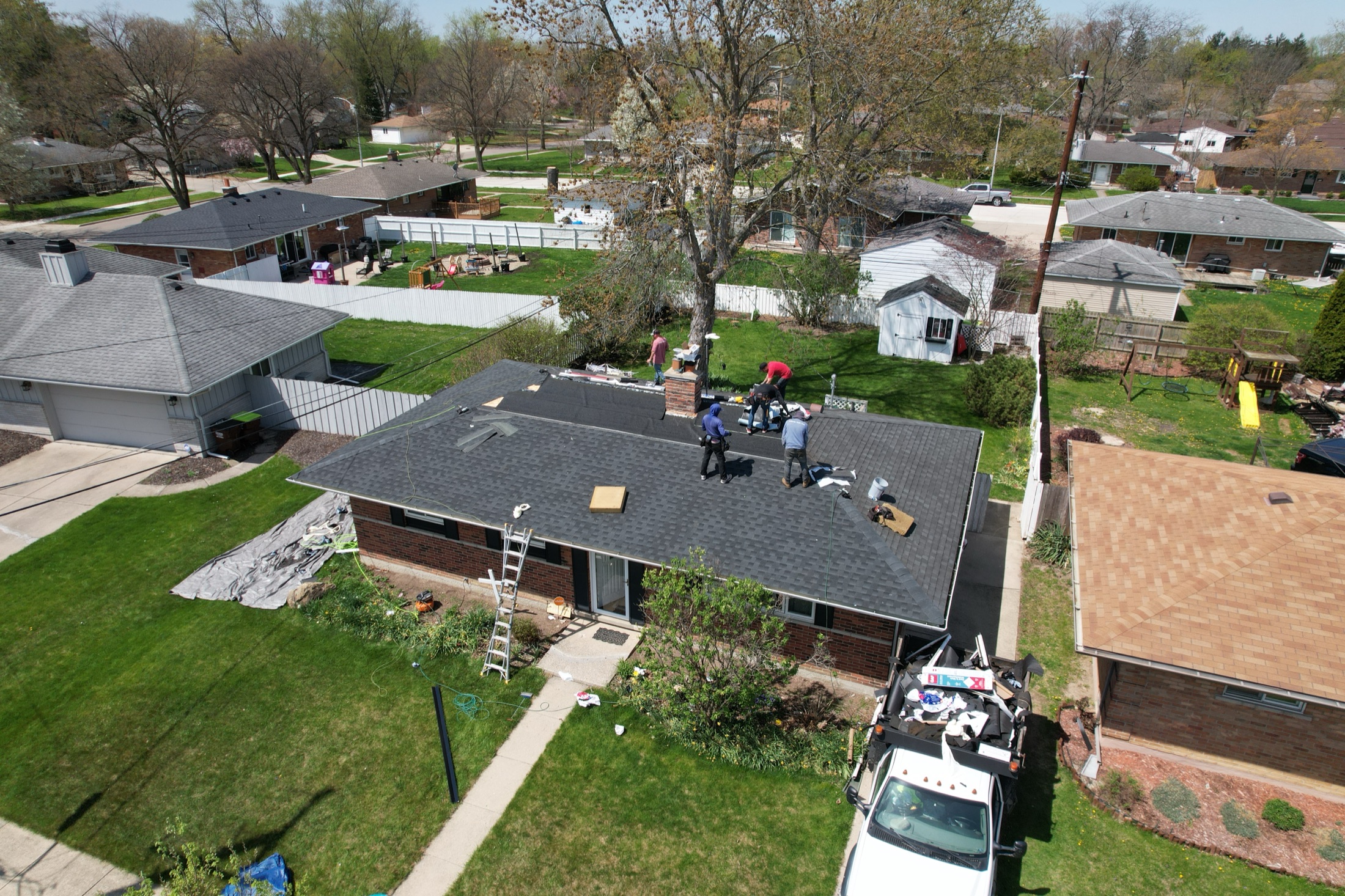
Roofing Guide / May 8, 2026
A homeowner checklist for shortlisting roofers, checking references, reviewing insurance and licensing questions, and requesting a clear project proposal.
Read MoreFree quote
Share the basics and Ambia Roofing will follow up with the next right step.