Roofing Guide
How Local Weather Changes Roofing Decisions
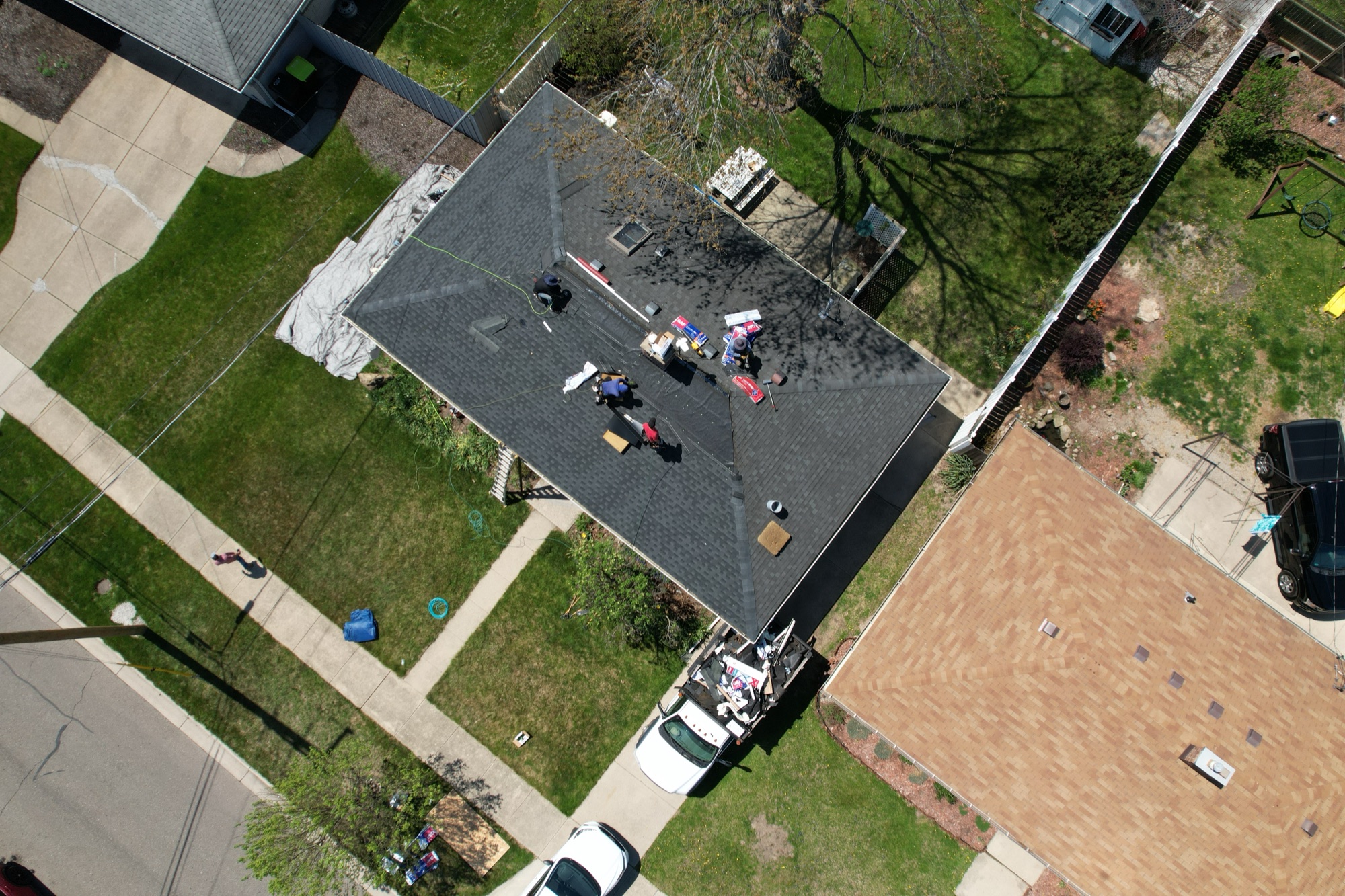
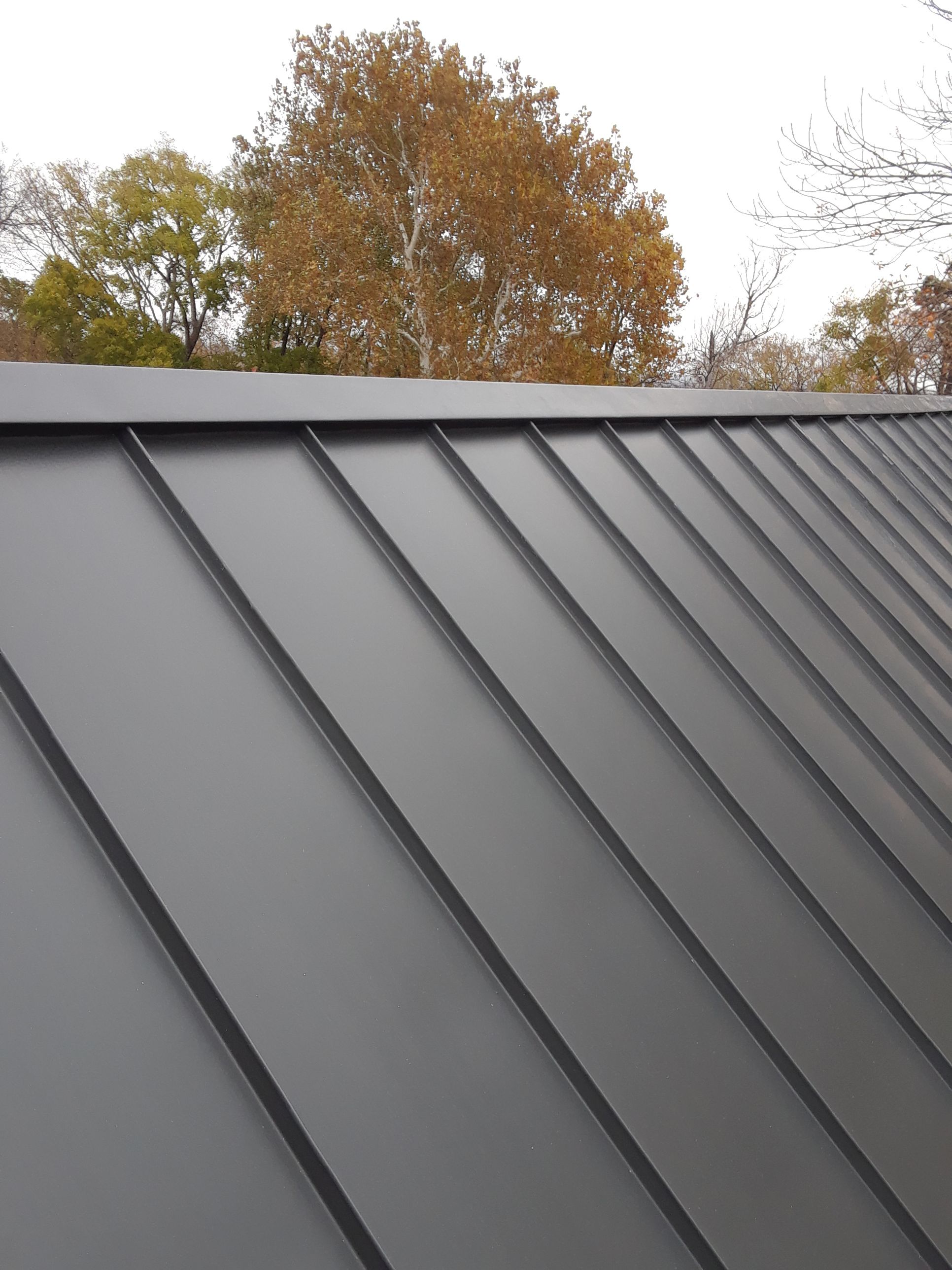
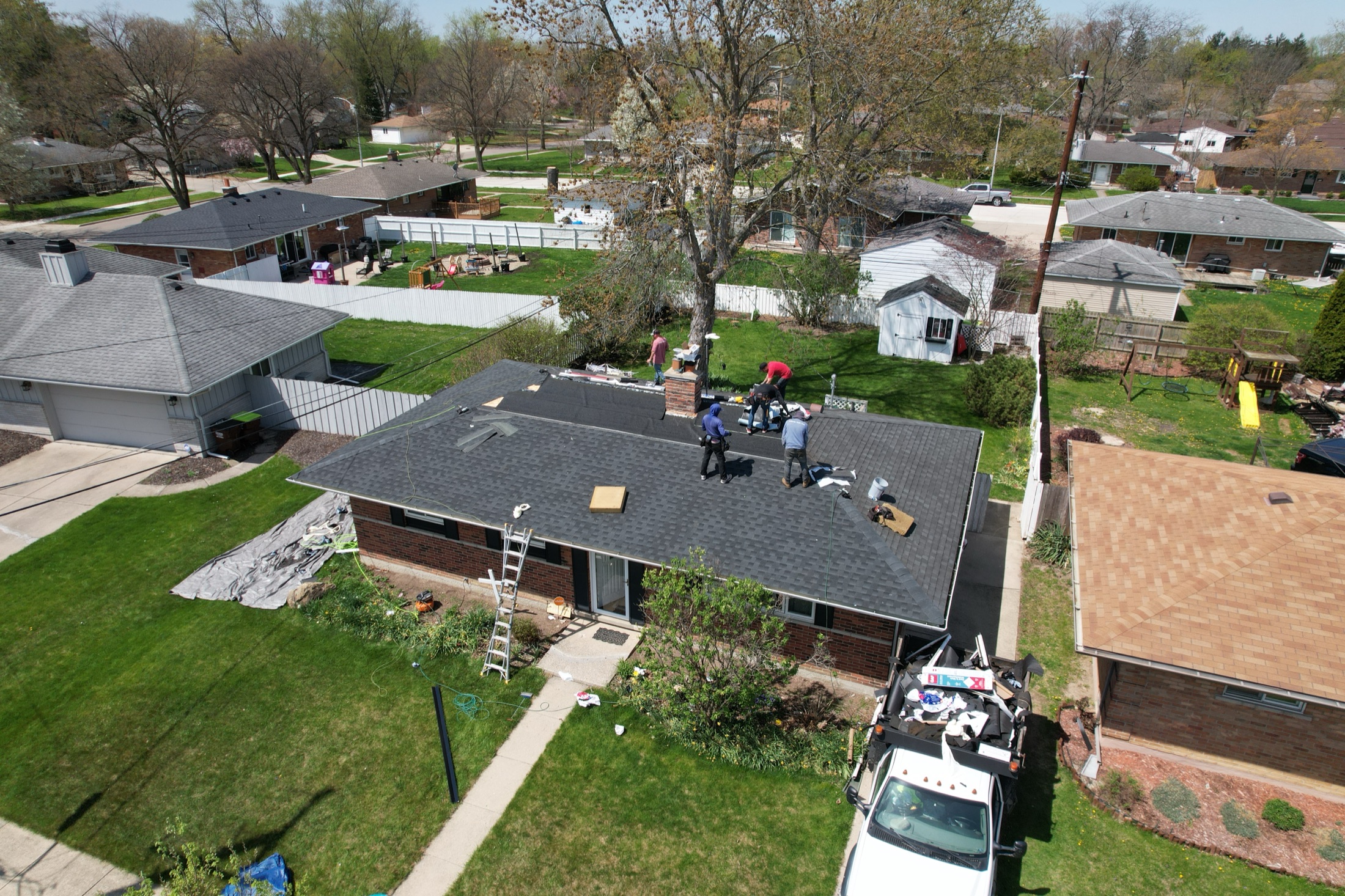
Roofing is local in a practical way. The same shingle, flashing detail, or ventilation choice can age differently in a market with hail and wind than it does in a market with moss, shade, humidity, or intense sun.
That is why a roof recommendation should reflect the home, the roof age, the visible condition, and the weather the roof has to live through.
Hail, wind, and seasonal storms
Hail and wind can create damage that is easy to miss from the ground. Bruised shingles, lifted edges, displaced flashing, dented vents, and granule loss may not create a leak right away, but they can shorten the roof’s useful life.
After a strong storm, document what changed and start with a roof review instead of guessing from the driveway.
Ice, snow, and freeze-thaw movement
Cold-weather markets put pressure on roof edges, valleys, attic ventilation, and drainage paths. Ice, snow, and repeated freeze-thaw movement can expose weak points where water can work under materials or into transitions.
Roof planning in those areas should account for water movement, ventilation, and the details around penetrations and edges.
Rain, humidity, moss, and shade
Wet or shaded markets can age roofs through moisture, moss growth, clogged drainage, and repeated drying cycles. Gutters, valleys, overhanging branches, and roof ventilation matter because they affect how quickly water leaves the roof system.
If moss or recurring moisture shows up, the right next step is usually to understand the cause before deciding whether the roof needs maintenance, repair, or replacement.
Sun, heat, and ventilation
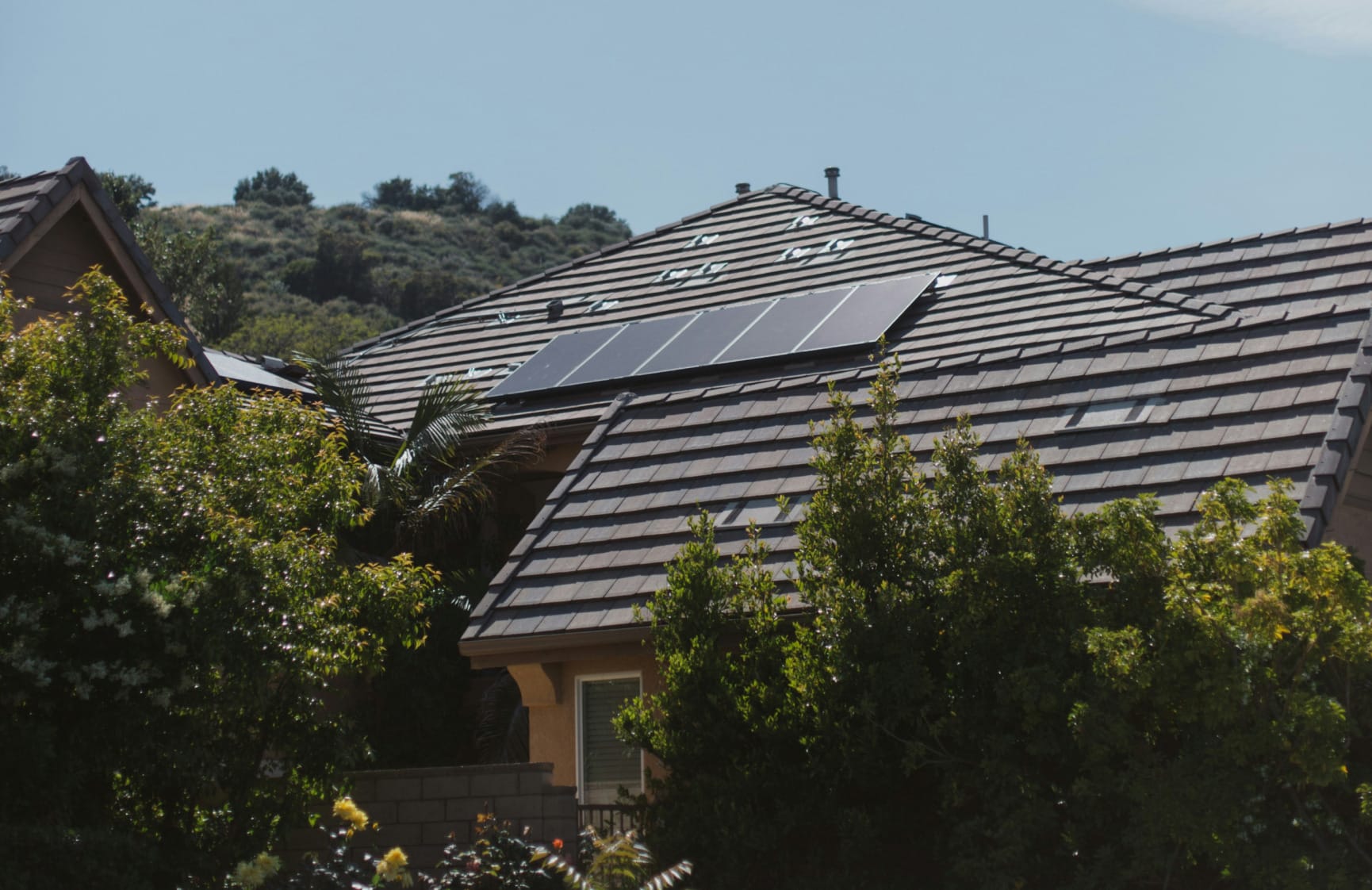
Hot and sunny markets put steady stress on roofing materials. UV exposure, attic heat, and poor ventilation can make a roof age faster and affect comfort inside the home.
For homeowners comparing roof replacement options, local weather should influence material direction, ventilation planning, warranty context, and project timing.