Roofing Guide
Roof Repair Planning: What to Check Before You Replace
There are some people who just love fixing things around the home and saving money is just one small factor for many DIY enthusiasts. Most of them love the satisfaction that comes from fixing the home on their own without any assistance.
There are some projects, however, that should be left squarely in the hands of the professionals. Roof repair can be a daunting undertaking, and Ambia recommends calling in a professional to at least determine any damage or problems on your roof.
Addressing wear before it spreads
Weather, age, and corrosion can conspire over time to wear out your roof. Once it’s worn down, leaks start to happen. If you don’t fix leaks right away, the damage can spread and soon you might need to replace the entire structure.
Leaks need to be fixed as soon as they’re spotted.
Visible signs of roof problems
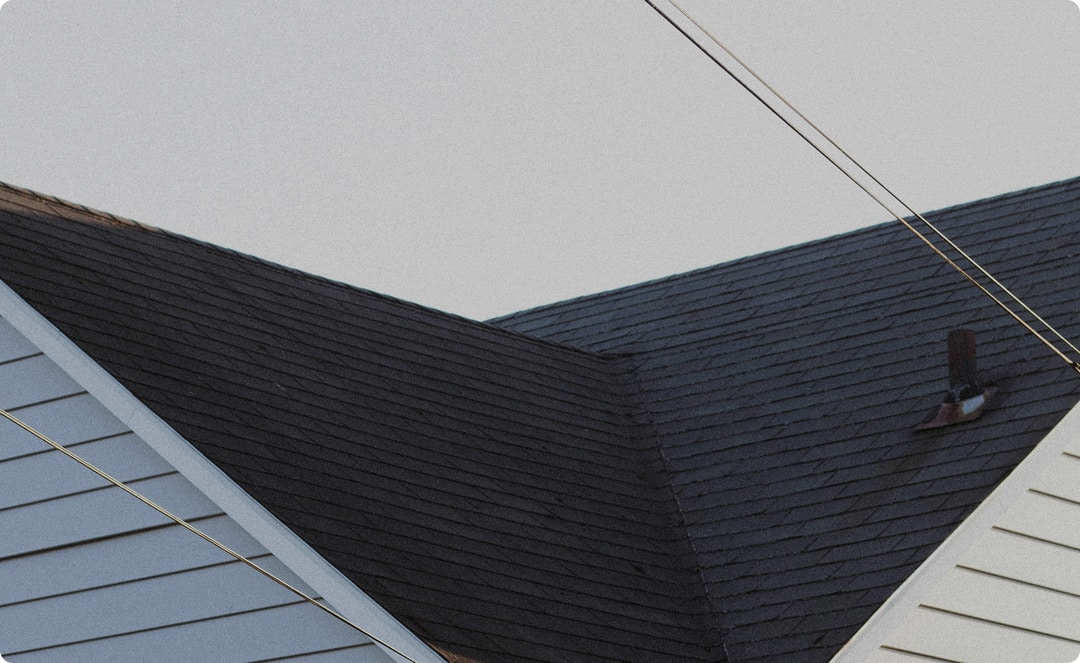
All too often, roof problems are discovered after leaking or other serious damage occurs. Periodic visual checks can often uncover cracked, warped, or missing shingles, loose seams and deteriorated flashings, excessive surface granules accumulating in the gutters or downspouts, and other visible signs of roof problems.
Indoors, look for cracked paint, discolored plasterboard, and peeling wallpaper as signs of damaged roof areas.
My roof leaks. Do I need to have it totally replaced?
Not necessarily. Leaking can result because some flashings have come loose or because a section of the roof has been damaged.
A roof failure, however, is generally irreversible and results from improper installation or choice of materials, or from the installation of a roof system inappropriate to the building.
Can’t I just do the work myself?
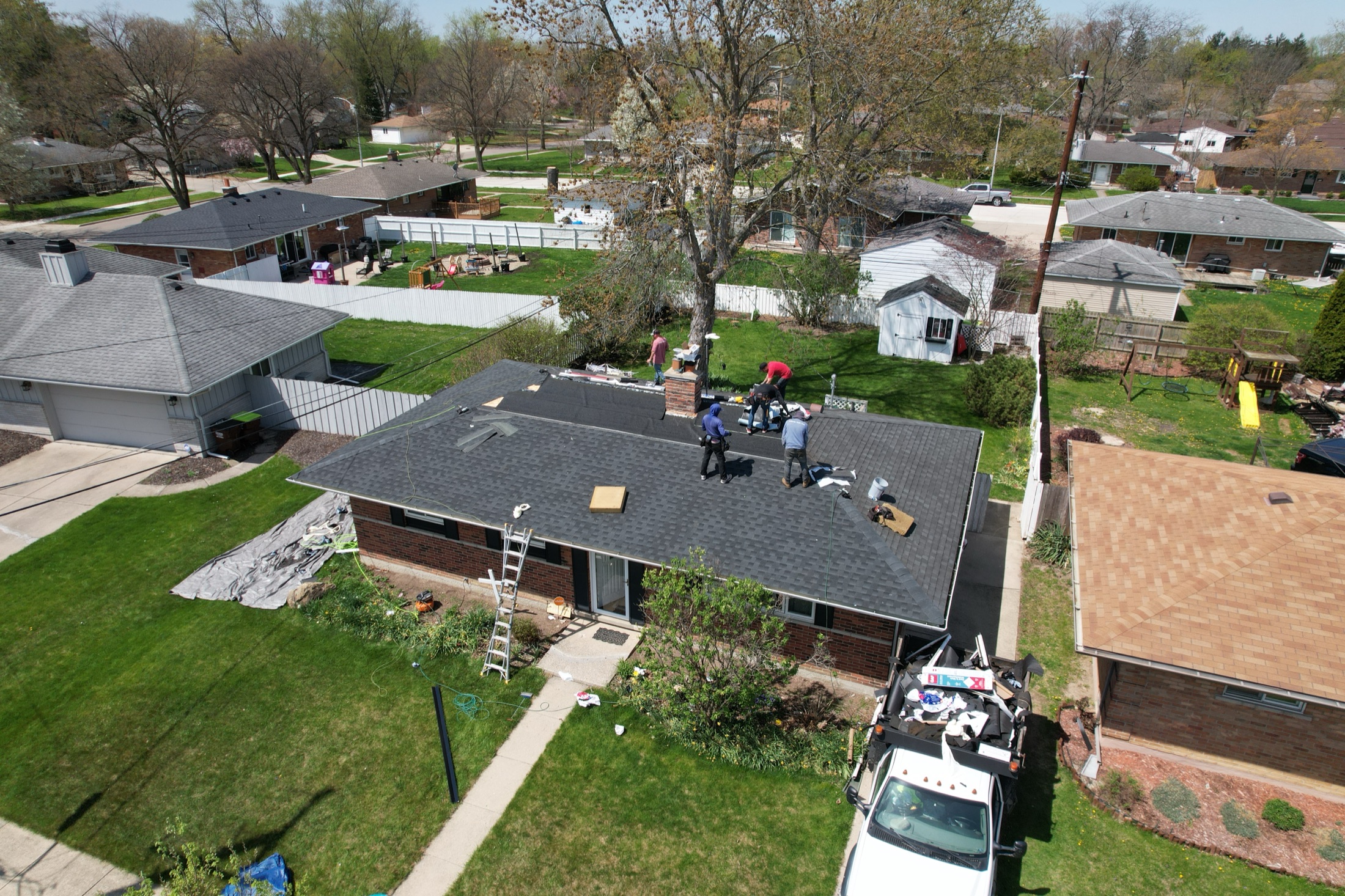
Most work should not be do-it-yourself. Professional roofing contractors are trained to safely and efficiently repair or replace a roof. Novices can harm a roof with improper roofing techniques and severely injure themselves by falling off or even through a roof in need of repair or replacement.
Homeowner maintenance should be confined to roof checks in both the fall and spring to check for cracked or curling shingles, and to cleaning rain gutters filled with dead leaves and other debris.