Roofing Guide
Roof Maintenance Tips for Homeowners
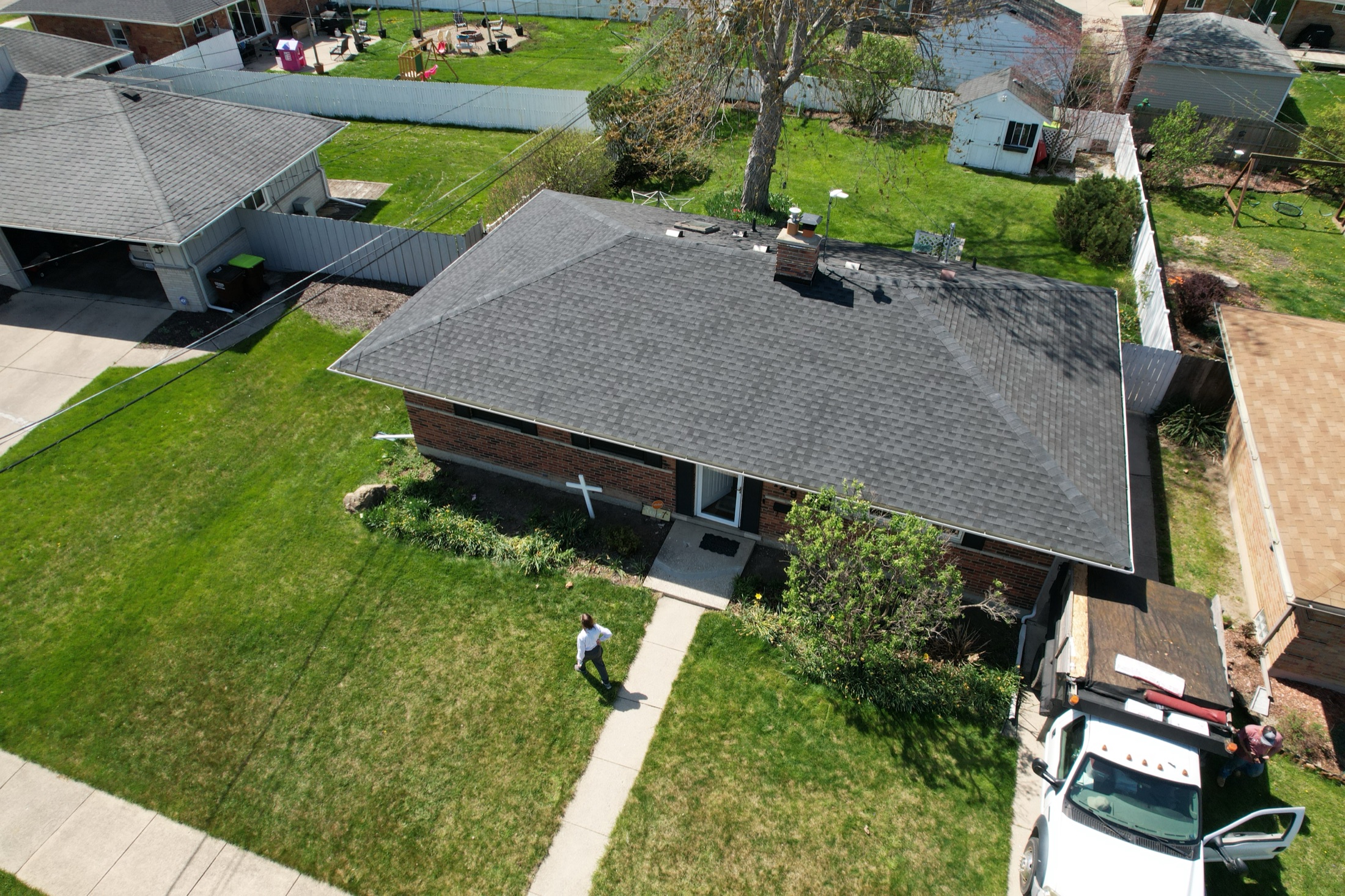
A roof does its best work quietly, but it still needs attention. Keep gutters clear, trim branches away from the roofline, watch for lifted or missing shingles after storms, and check ceilings for new stains after heavy rain.
Homeowners should stay off steep or unsafe roofs. A ground-level check and professional roofing guidance are safer ways to catch early problems before they become larger repairs.
The most useful habit is documentation. Photos, dates, and notes about storms or leaks help your roofing team understand what changed and when it happened.
A simple seasonal rhythm
Roof maintenance works best when it becomes part of the normal home rhythm. A quick visual check in spring and fall can catch small changes before they turn into leaks, stained drywall, or damaged decking.
In spring, look for winter wear: loose shingles, lifted flashing, clogged valleys, and branches that scraped the roof during wind or snow. In fall, clear debris before heavy weather arrives and make sure gutters can move water away from the home.
Keep water moving
Most roof problems get worse when water is trapped. Leaves in gutters, packed debris in valleys, and downspouts that drain too close to the foundation can all add stress to the roof system.
- Clear gutters and downspouts before storm seasons
- Keep valleys free of leaves, needles, and branches
- Make sure water is not backing up under roof edges
- Watch for stains under eaves, soffits, or attic vents
Watch the details
The vulnerable areas of a roof are often the transitions: chimneys, skylights, vents, pipe boots, sidewalls, and valleys. These are the places where flashing, sealants, and materials meet. If something looks separated, cracked, rusted, or out of position, it deserves attention.
You do not need to diagnose every issue yourself. A clear photo and a note about when you noticed it are enough to help a roofing professional understand the concern.
Know when maintenance is not enough
Maintenance can extend the life of a healthy roof, but it cannot fix widespread age, brittle shingles, repeated leaks, or storm damage across multiple slopes. When small issues start showing up in several places, a professional assessment gives you a better read on whether repair still makes sense.